 |

You can flush a toilet without running water by dumping about 1.5 to 2 gallons of water into the bowl, fast. In most outages, though, it’s easier not to flush at all. Turn off the water to the toilet, empty the bowl, and line it with a WAG Bag. You use your own toilet like you always do, nothing goes down the drain, and you’re not pouring a day’s worth of stored water into the bowl every time someone needs to go.
The Simplest Fix: Put a WAG Bag in the Bowl
It takes about two minutes, and it works whether you’re dealing with no water, no power, or a sewer line you’re not sure about.
- Turn off the water valve behind the toilet.
- Flush once to empty the tank and bowl. With the valve closed, it won’t refill. The North Carolina and Washington State health departments both start with this same step for a toilet that can’t flush.
- Lift the seat and open an Original WAG BAG. Set the waste bag in the dry bowl and lower the seat over the edge to hold it in place.
- Use it. The bag comes pre-loaded with Poo Powder, a gelling agent that turns liquid waste into a gel. Each kit gels up to 32 ounces, so one bag can cover more than one use.
- Seal it. Fold the waste bag into the puncture-resistant zip-close bag that comes with it. In most places it can go in the regular trash, but check your local rules. Until pickup is running again, keep sealed bags in a trash can with a lid.
Each kit also comes with toilet paper and a hand wipe, so one box under the bathroom sink has you covered. Plan on at least one kit per person per day.
Why a WAG Bag Beats Bucket Flushing
Bucket flushing works. It just runs into three problems pretty quickly once an outage drags on.
It eats your water. The EPA puts the federal standard at 1.6 gallons per flush, and older toilets can use up to six. Ready.gov says to store at least one gallon per person per day for drinking and sanitation. So a family of four can pour its whole daily supply into the toilet before lunch. A WAG Bag doesn’t use any.
It depends on pipes you can’t see. Pouring water in only helps if the sewer line or septic system downstream is intact. If it isn’t, water and waste back up through the lowest drain in the house. A bag never touches the plumbing.
Sometimes it’s not an option at all. Pumped septic with no power, a high floor in an apartment building, or a “do not use” notice from your utility can each rule it out. A WAG Bag works the same in every one of those.
How to Flush a Toilet Without Water Using a Bucket
Sometimes flushing is fine. Say the city is fixing a water main on your street and the sewer is working normally. Here’s how to do it:
- Use water you wouldn’t drink. Saved bathwater, pool water, or rain barrel water all work. Keep your drinking water for drinking.
- Lift the seat and pour fast from waist height. Dump 1.5 to 2 gallons into the middle of the bowl in one go. Pour slowly and the water level just rises without flushing. Older toilets might need closer to a full 5 gallon bucket.
- Watch the bowl. If it drains, you’re good. If the water rises and just sits there, stop. Something downstream is blocked.
When Flushing Makes Things Worse
Skip the bucket and go straight to a bag in these cases:
- After a strong earthquake. Skagit County’s health department says that if you suspect a sewer blockage, stop draining water in the house and don’t flush. Our post on the toilet plan most earthquake kits miss goes deeper on this.
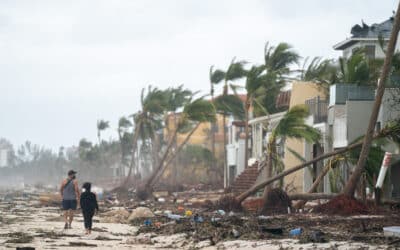
- After heavy flooding. North Carolina’s health department notes that heavy rain and severe flooding can damage sewer systems, and Skagit County says not to use a flooded septic system. Our hurricane season emergency toilet guide explains how an overwhelmed system pushes sewage back into homes.
- When your septic pump has no power. According to the Washington State Department of Health, a septic system that relies on a pump can’t send sewage to the drainfield during an outage, so your tanks fill up like holding tanks. Gravity systems should keep working. With a pump, keep water use to a minimum and use a temporary toilet if the house is without power or water.
- When officials tell you not to. Your utility knows what shape the system is in, so go with their notice.
Can You Flush During a Power Outage?
The toilet itself doesn’t need electricity. Your water and sewer setup is what decides it.
On city water and sewer, you can usually flush normally until the water pressure drops. If you’re on a private well, the pump stops when the power does, and the tank won’t refill unless the well runs on a generator. Pumped septic is covered above. And in a tall apartment building, electric pumps often push water to the upper floors, so higher units can lose water even when the street still has it.
In any of those situations, a WAG Bag in the bowl gets you through without touching your stored water.
What About a Boil Water Advisory?
During a boil water advisory, the water still runs. The concern is what you drink, cook with, and brush your teeth with, so follow your local notice for everything else.
A “do not use” advisory is stricter. The CDC says not to drink or use tap water for anything while one is in effect. That’s when you want a WAG Bag.
For your hands, the CDC says to use an alcohol-based hand sanitizer with at least 60% alcohol if you don’t have soap and water.
Frequently Asked Questions
How do you flush a toilet without running water?
Pour about 1.5 to 2 gallons of water quickly into the bowl from waist height. The sudden rush of water starts the flush and clears the bowl. It only works if your sewer or septic system is working, and it takes a lot of water, which is why many households put a WAG Bag in the bowl instead.
What’s the best toilet option when the water is out?
For most homes, it’s a gelling waste bag like the Original WAG BAG, set inside your own toilet. Turn off the water valve, flush once to empty the bowl, and line it with the bag. It uses no water, and nothing goes down the drain.
Can you flush a toilet when the water is off?
Once, using the water already in the tank. After that, you’d have to pour water in yourself, and only if the sewer or septic system is working.
Can you flush a toilet during a power outage?
Usually, if you’re on city water and sewer, at least at first. Homes on a private well tend to lose water when the pump stops, and homes with pumped septic should keep water use to a minimum.
Can you use a WAG Bag in a regular toilet?
Yes. The Original WAG BAG works in a toilet that won’t flush, a bucket, a portable toilet, or on the ground. Turn off the water and empty the bowl first so the bag sits in a dry bowl.
Keep a Box Under the Sink
In the middle of a storm or right after a quake, you won’t know if the sewer is fine or the septic pump is running. With a WAG Bag, you don’t have to find out the hard way.
Keep a box in every bathroom. If you’ve also got a bucket, our bucket toilet guide shows how to use the two together. The Original WAG BAG is made in the USA.