 |
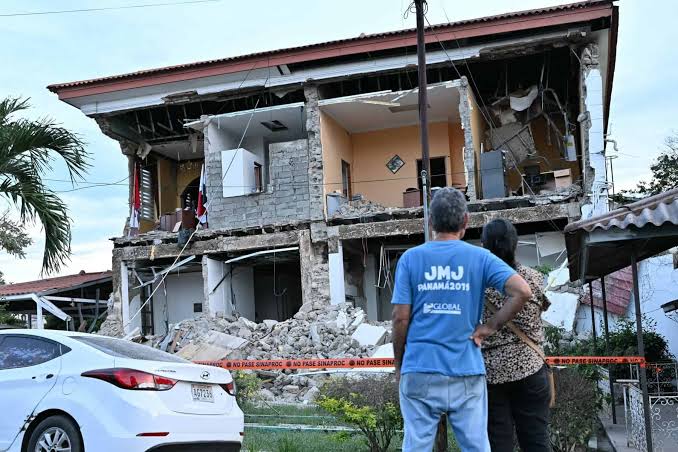
After a strong earthquake, you shouldn’t flush your toilet until someone confirms the sewer lines are intact. That one fact catches most households off guard. A typical earthquake emergency kit has water, food, a flashlight, and a first aid kit. Very few have a plan for the bathroom, even though you might be without a working one for days, weeks, or longer.
Every October, millions of people practice Drop, Cover, and Hold On during the Great ShakeOut drill. It’s also the perfect week to check what’s actually in your kit.
Why You Shouldn’t Flush After an Earthquake
When the ground shakes, buried pipes break. That includes the sewer line under your house and the main under your street. Clallam County Emergency Management in Washington puts it plainly: don’t flush until local officials say it’s OK.
Here’s what happens if you flush anyway. Your water may still be running, and the toilet may look normal. But if the line downstream is cracked, that waste has nowhere to go. It can back up into your tub or your neighbor’s basement. It can also leak into the soil and groundwater. Utah’s BeReady guide calls disease outbreak the “second emergency” after a disaster, and poor sanitation is how it starts.
Septic systems aren’t safe from this either. A tank and its lines can shift or crack in a quake, so treat a septic home the same way: no flushing until it’s been checked.
How Long You Could Be Without a Working Toilet
Longer than most people plan for. Multnomah County’s emergency sanitation guide warns that after a strong earthquake, you may need to live without a working toilet for weeks or months. In Wellington, New Zealand, regional emergency managers tell residents to plan on managing their own waste for at least 30 days.
That’s why preparedness advice on the West Coast has grown. Oregon’s 2 Weeks Ready program asks households to be self-sufficient for at least two weeks, up from the old 72-hour standard. KUOW reported that the change followed a multistate exercise showing help could take up to two weeks to reach some areas.
Two weeks of food and water is a common goal. Two weeks of bathroom supplies almost never is.
What Goes in an Earthquake Emergency Kit (Including the Part Everyone Skips)
Most earthquake kit checklists cover the basics well. Here’s a quick version, with sanitation given the space it deserves.
The Basics
- Water: one gallon per person per day
- Shelf-stable food and a manual can opener
- Flashlights, a headlamp, and extra batteries
- First aid kit and two weeks of any prescription medications
- Sturdy shoes and work gloves by the bed (broken glass is common)
- A battery or hand-crank radio
- Copies of important documents and some cash
The Sanitation Kit
- Waste bags with a gelling powder. These turn any toilet into a usable one. The Original WAG BAG fits inside a non-working toilet bowl, a bucket, or a portable toilet. Each kit gels up to 32 ounces of waste and includes toilet paper and a hand wipe.
- A backup seat. If your bathroom is damaged or unsafe to enter, you need a toilet you can set up somewhere else. A bucket commode or the GO Anywhere Portable Toilet works in a garage, backyard, or shelter.
- A lidded container for used bags. A 5-gallon bucket with a tight lid or a sturdy bin.
- Hand sanitizer and handwashing water. Budget some of your stored water for this.
- Heavy-duty trash bags, toilet paper, and disinfecting wipes for surfaces.
How Many Waste Bags Does an Earthquake Kit Need?
Plan on one waste kit per person per day. Each Original WAG BAG can handle more than one use, but one per person per day leaves room for illness, stress, and the fact that nobody wants to stretch a bag in a crisis.
For two weeks, the math looks like this:
| Household | Kits for 14 days | Simple way to buy |
|---|---|---|
| 1 person | 14 | One 12-pack plus a few spares |
| 2 people | 28 | Three 12-packs, or a 50-pack with room to spare |
| 4 people | 56 | One 50-pack plus a 12-pack |
| 6 people | 84 | One 100-pack |
Store them with your water, not in a back closet. If a quake hits, you want the bathroom kit in the same place as everything else you’ll grab first.
How to Use Your Toilet After an Earthquake, Step by Step
If the bathroom is safe to enter, your regular toilet can still be your toilet. It just becomes a seat.
- Don’t flush. Put a piece of tape across the handle so nobody does it out of habit, especially kids and guests.
- Lift the seat and place a waste bag in the bowl. Make sure the gelling powder is at the bottom and fully exposed.
- Lower the seat to hold the bag in place.
- After use, fold the bag down into its zip-close outer bag and seal it.
- Put sealed bags in a lidded bucket. Keep it outside or in a garage, away from food, water, and pets.
- Wash or sanitize your hands every time. This is the step that actually prevents illness.
- Toss sealed kits in your regular trash once pickup resumes.
If the bathroom is damaged, set up a bucket commode or portable toilet in a safe spot instead. Add a privacy shelter if you’re outside or sharing space with neighbors. [INTERNAL LINK: GO Anywhere Privacy Shelter/PUP product page]
What About the Twin Bucket Method?
You may have seen the twin bucket toilet recommended by Pacific Northwest emergency managers. It came out of the 2011 Christchurch earthquake in New Zealand, according to PHLUSH, the Portland group that helped popularize it. One bucket collects urine, the other collects solids with a layer of sawdust or another dry cover material.
It works, and it’s a good fit for long-term outages in homes with outdoor space. It does take more setup, more supplies, and more handling of open waste. Gelling waste bags are the simpler option for the first days and weeks, and the easiest for apartments, kids, and older adults. Many households keep both. For a closer look at building a bucket toilet, see our bucket toilet guide. [INTERNAL LINK: October Blog 2, bucket toilet post, once live]
Make the ShakeOut Your Yearly Kit Check
The Great ShakeOut began in California in 2008 and now runs every October around the world. Last year, more than 10.4 million Californians took part, according to the California Department of Education.
Use the drill as your reminder. Practice Drop, Cover, and Hold On. Then open your earthquake emergency kit and check three things: water dates, battery charge, and how many waste bags are actually in there.
Frequent Asked Questions
Not until local officials confirm sewer lines are working. Earthquakes can break pipes under your home and street, and flushing into a broken line can cause sewage backups and contaminate soil and water. Line the bowl with a gelling waste bag instead, or use a bucket or portable toilet until you get the all-clear.
It depends on the damage, but it can be weeks or months. Multnomah County in Oregon tells residents to expect weeks or months without a working toilet after a strong quake. Wellington, New Zealand plans for at least 30 days. Aim to have at least two weeks of sanitation supplies.
An earthquake emergency kit should hold one gallon of water per person per day, shelf-stable food, flashlights, a radio, a first aid kit, medications, sturdy shoes, and gloves. It should also include a sanitation kit: gelling waste bags, a backup toilet seat or bucket, a lidded container, hand sanitizer, and toilet paper.
Plan on one waste kit per person per day. For two weeks, that’s 14 kits per person, or 56 for a family of four. A gelling kit like the Original WAG BAG can handle more than one use, so this number builds in a margin for illness and longer outages.
Seal it in a waste bag, then store sealed bags in a lidded bucket or bin outside or in a garage, away from food and water. Sealed Original WAG BAG kits can go in regular household trash once garbage pickup resumes. Wash or sanitize your hands after every use.
Add the Bathroom to Your Kit This Week
You can’t control when the next big quake hits. You can control whether your family has a clean, private place to go when it does. Set aside one bin, fill it with a two-week supply of waste bags, a backup seat, and a lidded bucket, and store it next to your water.
Start with a 50-pack of Original WAG BAGs and a bucket commode, or browse our full preparedness collection.