 |
|
When a storm knocks out your water and power, your toilet stops working too — and an emergency toilet is the simplest way to stay clean and sanitary until service comes back. The easiest setup is a portable toilet paired with sealable, gelling waste bags that lock in odor and go straight into your regular trash. This guide walks you through exactly what to pack, how to set it up, and how many supplies to keep on hand.
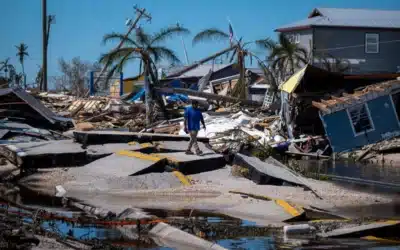
The 2026 Atlantic hurricane season officially began June 1 and runs through November 30. Forecasters expect a below-normal year, but “below normal” still means several named storms — and it only takes one to leave your neighborhood without running water for days. Now is the time to build your kit, not the day the cone points at you.
Why Your Toilet Stops Working in a Storm
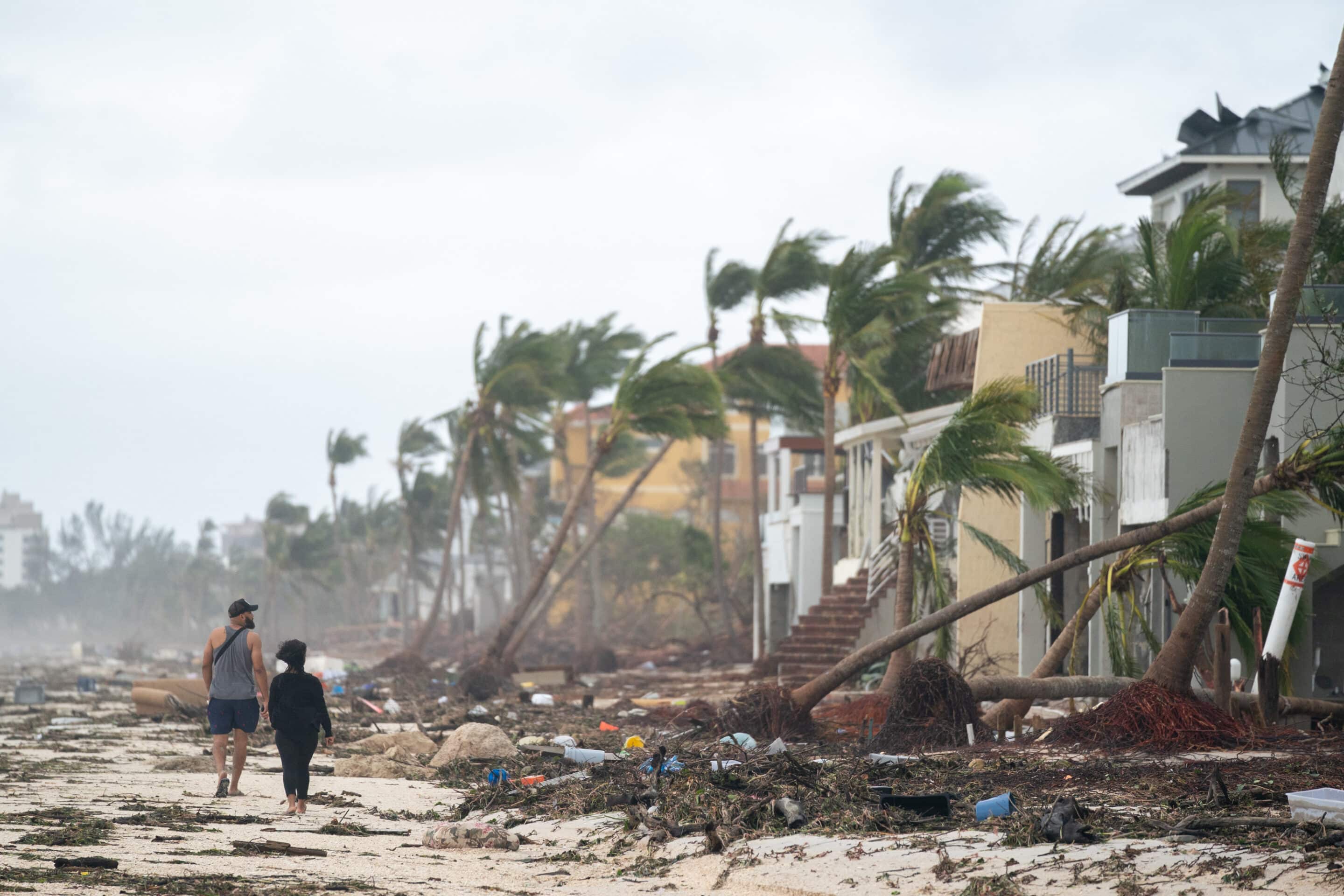
Most home toilets depend on two things a hurricane can take away: water pressure and a working sewer or septic system. When the power grid goes down, municipal pump stations can lose pressure, and your tank won’t refill after a flush. If you’re on a well, the pump won’t run at all without electricity.
There’s a bigger risk than an empty tank. During heavy flooding, sewer lines can back up. Flushing into a system that’s already overwhelmed can push raw sewage back into your home. That’s why emergency managers repeatedly warn residents not to flush during and after major storms until officials confirm the system is working.
An emergency toilet solves both problems. It needs no water, no plumbing, and no connection to the sewer. You use it, seal the waste, and set it aside for normal trash pickup — keeping contamination out of your living space while the grid recovers.
What Goes in an Emergency Bathroom Kit
A complete emergency sanitation kit is more than a bucket. Here’s the short checklist of what you actually need:
- A portable toilet frame — a stable seat at normal height so anyone in the household can use it comfortably, including older adults and people with mobility issues.
- Gelling waste bags (WAG bags) — single-use liners with a powder that turns liquid waste into a firm gel, neutralizes odor, and seals for disposal.
- A privacy shelter — a pop-up tent so the toilet can go on a balcony, in a garage, or in a shared space without sacrificing dignity.
- Toilet paper and hand sanitizer — the Original WAG BAG kit already includes both, but keep extra on hand.
- A dedicated storage tote — so the whole kit stays together and ready to grab.
The core of the system is the waste bag. Cleanwaste’s Original WAG BAG uses a NASA-developed gelling agent (Poo Powder) that traps and deodorizes waste, then breaks it down over time. The bags are landfill-approved and can go in the trash with your regular garbage — no dump station, no chemical tanks, no mixing.
How to Set Up the GO Anywhere System
Setup takes under a minute, which matters when conditions are already stressful. Here’s the sequence:
- Open the toilet. The GO Anywhere Portable Toilet weighs about 7 pounds and folds down to briefcase size. Pull each of the three legs out until it locks into place. The tripod design stays stable even on uneven ground, like a garage floor or a patio.
- Insert a waste bag. Drop an Original WAG BAG into the frame and fold the opening over the seat edge. The seat sits at standard toilet height (14 inches) and supports up to 500 pounds.
- Use it, then seal it. When you’re done, the Poo Powder gels the waste. Roll the bag closed, place it inside the included zip-close disposal bag, and set it aside.
- Toss it. Sealed bags go straight into your regular trash. No emptying, no rinsing, no smell.
If you live in an apartment or share space with family, add the GO Anywhere Privacy Shelter. It pops up in seconds, gives you a 4-foot-square floor, and stands over six feet tall — enough room to also change clothes or rinse off if you’ve rigged a camp shower.
How Many Waste Bags Should You Stock?
This is the question most people get wrong. They buy the toilet and forget the refills — then run short on day two.
Use this simple planning formula:
Uses per person, per day × number of people × number of days without service = bags needed
A practical starting point is to plan for a household to go three to five days without reliable water after a major storm. Multiply that by how many people are in your home and roughly how many times each person uses the bathroom in a day, and round up. For a family of four, that math lands most people in the range of a couple dozen kits to be safe — more if anyone has a medical condition that means frequent use.
The good news: unopened WAG bags store for at least a year in a cool, dry place. Buying a season’s supply now means you’re covered without a last-minute scramble when the shelves are already empty.
Where to Store Your Kit
Keep your emergency toilet kit where you can reach it in the dark, without power. A hall closet, a garage shelf, or under a bed all work. Store the waste bags in the same tote as the toilet so nothing gets separated.
If you evacuate, the whole system fits in a car trunk — the folded toilet is the size of a briefcase, and a box of bags takes up little room. That makes it just as useful on the road as it is at home, whether you’re stuck in evacuation traffic or riding out the storm at a relative’s house.
The best emergency toilet is a portable frame paired with gelling waste bags, because it needs no water, no plumbing, and no chemicals. You use it, seal the bag, and put it in your regular trash. The Cleanwaste GO Anywhere system sits at standard toilet height and supports up to 500 pounds.
Often no. During flooding, sewer systems can back up, and flushing may push sewage into your home. If the power is out, your tank may not refill either. Emergency officials commonly advise not to flush until they confirm the system is working. An emergency toilet lets you avoid the risk entirely.
Sealed WAG bags go in your regular household trash. The gelling powder turns waste into a stable gel and neutralizes odor, and the bags are landfill-approved. Do not flush them and do not bury them. Just seal, bag, and toss with normal garbage.
Unopened WAG bag kits store for at least a year — often longer — when kept in a cool, dry place away from moisture. That makes it easy to buy a full season’s supply at the start of hurricane season and keep it ready without worrying about it going bad.
Be Ready Before the Next Storm Warning
A hurricane is stressful enough without losing the ability to use the bathroom safely. An emergency toilet gives your household one less thing to panic about — no chemicals, no dump stations, no plumbing required. Just a stable seat, sealable bags that lock in odor, and a system that first responders and the military have trusted for over 25 years.
Set it up now, while shelves are stocked and you have time to plan. When the water goes out, you’ll already have a place to go.
Get your emergency sanitation kit ready at cleanwaste.com.