 |
|
You’ve done the planning. Your permit is confirmed. Your pack is dialed in. And then the ranger at the trailhead looks at your gear and asks: “Do you have your WAG bags?”
If that question makes you panic, you’re not alone. Waste management is one of the least glamorous but most critical parts of backcountry travel—and as more wilderness areas implement mandatory pack-out requirements, knowing how to use a portable toilet for hiking isn’t just good practice, it’s the law.
This guide covers everything you need to know about WAG bags in 2026: what they are, how they work, when they’re required, and how to choose the best option from Cleanwaste’s trusted product lineup. Whether you’re planning a weekend hike, a multi-day river trip, or a summit attempt, you’ll leave with a clear pack-out plan.
| 🧳 WAG bags are now required in many national parks, wilderness areas, and river corridors across the U.S. Always check requirements before you hike — rangers do check, and fines are real. |
What Is a WAG Bag?
WAG stands for Waste Aggregation and Gelling. A WAG bag is a double-layered, puncture-resistant waste bag that contains a proprietary gelling agent—originally developed by NASA—that solidifies liquid waste on contact, binds solid waste, neutralizes odors, and creates a fully sealed, leak-proof package ready for landfill disposal.
The core technology works in seconds. As soon as waste contacts the gelling powder inside the inner bag, a chemical reaction begins that:
- Solidifies liquids, eliminating spill risk
- Deodorizes waste through chemical neutralization
- Reduces pathogens and breaks down biological matter
- Creates a compact, sealed package safe for standard trash disposal
The outer bag is typically a heavy-duty zip-lock or knot-seal design that creates a secondary containment layer. Together, the system is clean, compact, and compliant with virtually every wilderness regulation in the United States.
Cleanwaste’s Original WAG BAG® was one of the first WAG bag systems to reach commercial scale, and it remains the industry standard today—trusted by the U.S. military, FEMA, and the National Park Service.
Why WAG Bags Are Required in Many National Parks & Wilderness Areas
The increase in mandatory pack-out requirements isn’t arbitrary. It’s a direct response to a measurable human waste crisis in America’s most popular backcountry destinations.
Consider these facts:
- The U.S. National Park System receives over 325 million visits per year
- Popular summit and canyon zones can see hundreds of visitors per day
- At high elevations and in desert environments, human waste can take years or decades to decompose
- Improperly disposed waste spreads pathogens including
- Waste visible on trails, near water, and at campsites is consistently one of the top hiker complaints in visitor surveys
In response, land managers across the country now require or strongly recommend WAG bags in areas including:
- Mount Whitney Zone (Inyo National Forest, CA) — WAG bags required above 12,000 ft
- Denali National Park (AK) — pack-out required above 14,000 ft camp
- Colorado River Corridor (Grand Canyon) — human waste pack-out required for river trips
- Havasupai Tribal Lands (AZ) — pack-out strongly required
- Ruby–Horsethief Canyon, BLM (CO) — pack-out rules apply
- Zion Narrows, The Wave, Angels Landing — ranger-enforced LNT compliance
If you’re unsure whether WAG bags are required for your specific trip, check with the permit office or land management agency before you go. When in doubt, bring them—you’ll always be glad you did.
WAG Bag vs. Cathole: When Each Method Is Appropriate
For decades, the cathole (a 6–8 inch deep hole dug at least 200 feet from water, trails, and camp) was the standard LNT method for backcountry waste disposal. In many environments, it’s still acceptable. But catholes have clear limitations.
| Method | Best For | LNT Compliant | Weight |
| WAG Bag | All backcountry | Yes — always | Minimal (~2 oz) |
| Cathole | Low-traffic areas | Context-dependent | None (just trowel) |
| Folding Toilet | Car camping/van life | Yes (with WAG bag) | 7 lbs |
| Cassette Toilet | RV/extended trips | Needs dump station | Heavy (~12+ lbs) |
Catholes work when:
- You are in a low-traffic area with established topsoil and vegetation
- You are at least 200 feet from water, camp, and trails
- There is adequate moisture and microbial activity to facilitate decomposition
- The area does not have a pack-out requirement
WAG bags are required or recommended when:
- You are above treeline or in desert environments where decomposition is extremely slow
- The area receives high foot traffic or has sensitive ecosystems
- A permit or regulations specify pack-out requirements
- You are on a river or water-based trip where soil disposal isn’t available
- Snow-covered or frozen ground makes cathole digging impossible (late fall/winter/early spring)
| ⚠️ Important: Even in areas where catholes are technically permitted, WAG bags are always the more responsible choice in high-traffic zones. When everyone uses catholes, the compounding environmental impact is severe. |
Cleanwaste WAG Bag Products: Which One Is Right for Your Hike?
Cleanwaste offers multiple WAG bag formats designed for different adventure styles. Here’s a breakdown of each:
Original WAG BAG® — The Trail Standard
The Original WAG BAG® by Cleanwaste is the most widely used pack-out waste system in North America. Each kit contains:
- An inner WAG bag with NASA-developed gelling powder
- An outer heavy-duty zip-close containment bag
- Single-ply toilet paper
- An antibacterial hand sanitizer wipe
The gelling powder activates immediately on contact, turning liquid waste solid and controlling odors in seconds. The sealed bag is safe for disposal in standard landfill trash receptacles after your trip.
Shop: Original WAG BAG® at Cleanwaste.com
Toilet in a Tube® — Best for River Trips & Water Sports
Packaged in a compact tube that fits inside a dry bag, the Toilet in a Tube® contains multiple WAG bag kits in a single waterproof cylinder. It was engineered specifically for river corridors, kayak trips, canoe expeditions, and any water-based adventure where pack-out is required.
- Multiple kits per tube — no need to pack individual bags
- Waterproof packaging — stays dry even in the splash zone
- Compact — fits in a dry bag side pocket
Shop: Toilet in a Tube® at Cleanwaste.com
Toilet in a Bag® — Ultralight Essentials
For the weight-obsessed ultralight hiker, the Toilet in a Bag® strips the system down to the absolute essentials. Use it alone (squatting or with a camp chair brace) or inside the GO Anywhere Portable Toilet® frame for added comfort.
Shop: Toilet in a Bag® at Cleanwaste.com
GO Anywhere Portable Toilet® — For Car Camping & Base Camps
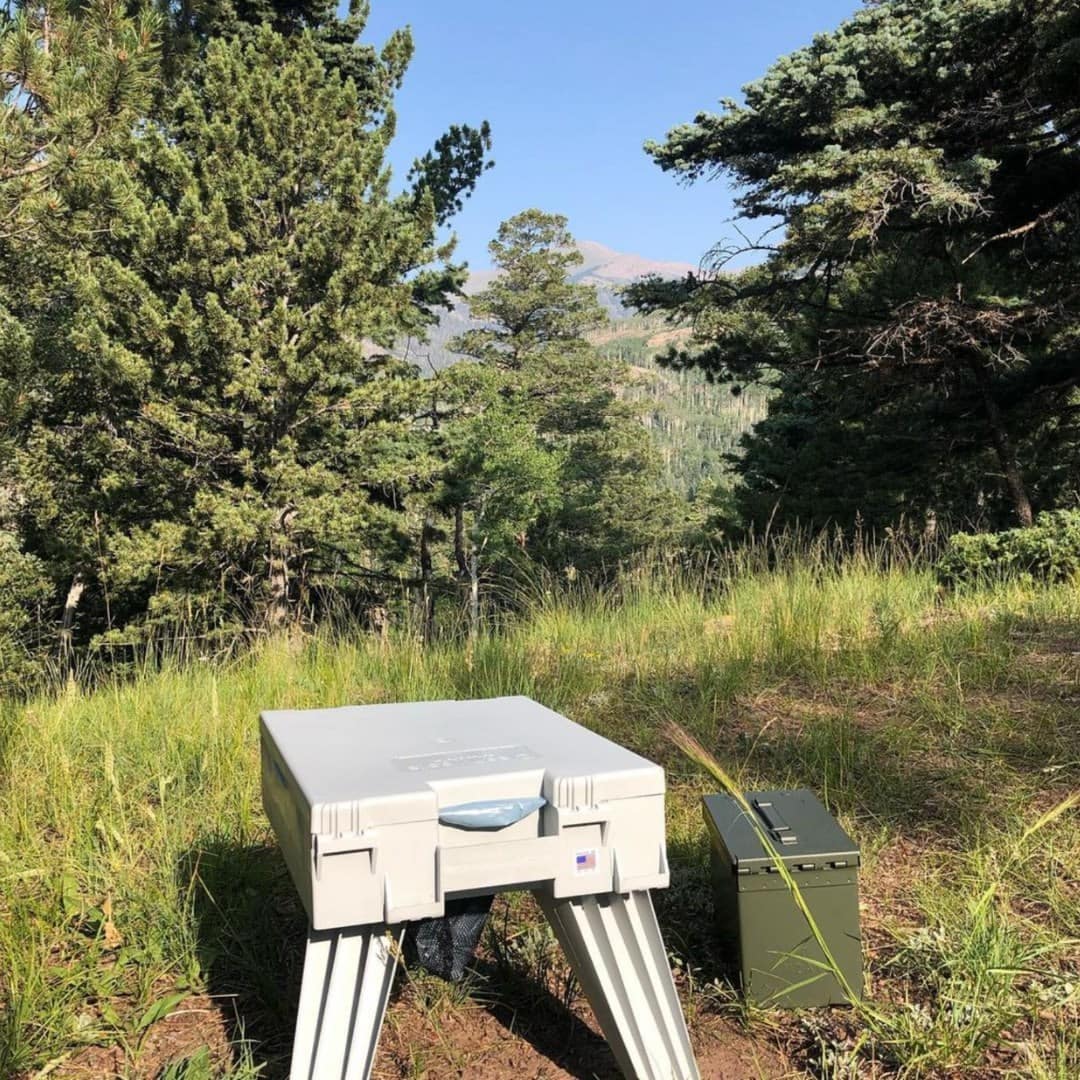
If you’re car camping or establishing a base camp, the GO Anywhere Portable Toilet® pairs any Cleanwaste WAG bag with a full-height, sturdy toilet frame (500-lb capacity). It folds to briefcase size and sets up in seconds, offering the comfort and height of a home toilet in the field.
Shop: GO Anywhere Portable Toilet® at Cleanwaste.com
How to Use a WAG Bag on the Trail: Step-by-Step
Using a WAG bag correctly is simple once you know the steps:
- Find a private spot at least 200 feet (about 70 adult steps) from water sources, trails, and campsite.
- Open the WAG bag outer layer and unfold the inner bag. If using a portable toilet frame, drape the inner bag over the seat opening.
- Position yourself—squat, use a portable toilet frame, or lean against a tree or trekking pole for support.
- Do your business. The gelling powder activates immediately and begins to solidify waste and control odors.
- Wipe with the included toilet paper and drop used paper into the WAG bag (it’s designed to accept toilet paper).
- Use the included hand sanitizer wipe on your hands.
- Seal the inner WAG bag tightly, then seal it inside the outer bag.
- Pack the sealed bag in your pack’s designated waste pocket or an opaque zip bag. Do not leave it on the trail.
- At the trailhead or campsite with a trash can, dispose of the sealed WAG bag in a standard waste receptacle. Cleanwaste WAG bags are landfill-safe.
| 👁️ Privacy Tip: A lightweight privacy shelter or bivy sack hung from trekking poles provides a discreet toilet space on exposed trails and above-treeline camps. Many hikers swear by this setup on multi-day trips. |
Seasonal Considerations for Hiking Sanitation
Spring (March – May)
Spring is prime hiking season in desert and low-elevation areas—and the most critical time for sanitation management. Snow melt increases water runoff, making pathogen contamination near water sources especially dangerous. Many parks increase ranger patrols and begin enforcing WAG bag requirements more strictly in spring. Stock up before season openers—bags sell out fast.
Summer (June – August)
Peak hiking season brings peak foot traffic to popular trails. Desert environments hit 100°F+ temperatures, further slowing the decomposition of any waste left behind. River trips on the Colorado, Salmon, and Green Rivers are heavily trafficked and enforce strict pack-out requirements. WAG bags are non-negotiable on most permitted river runs.
Fall (September – November)
Fall hiking season is popular for hunters, leaf-peepers, and shoulder-season backpackers. Hunters especially should be aware that many wilderness areas now require pack-out systems even in areas without formal permits. The Toilet in a Bag® is a staple in hunting packs for its compact size and effective odor control.
Winter (December – February)
Frozen or snow-covered ground makes cathole digging nearly impossible. Winter mountaineers, ski tourers, and snowshoers should always carry WAG bags. Even in winter, land managers in popular areas enforce pack-out requirements. The gelling agent in Cleanwaste WAG bags is effective in cold temperatures.
Pro Tips for Discreet and Hygienic WAG Bag Use on the Trail
- Pack one WAG bag per person per day, minimum. On days with heavy physical exertion, pack two. Running out is not an option in a wilderness area.
- Designate a ‘bathroom pocket’ in your pack. Keep an opaque zip bag in an outer pocket specifically for used WAG bags so they never mix with food or gear.
- Carry a short trekking pole or stick. Squatting without a toilet frame is easier with a hand anchor. Lean forward onto a trekking pole set to waist height.
- In bear country, bag your used WAG bags in your bear canister or hang them. Odor-controlled WAG bags dramatically reduce bear attraction compared to buried waste or catholes.
- Keep extra WAG bags accessible. Don’t bury them deep in your pack. A hip belt pocket or top-lid pouch is ideal for fast access.
- Never burn WAG bags. The gelling chemistry should not be incinerated. Always pack out and landfill-dispose.
Pack It Out. Leave It Better.
The wilderness belongs to all of us—and the hikers who come after you deserve the same wild, clean experience you’re enjoying. WAG bags make it possible to spend days or weeks in remote environments without leaving a trace, from the summit of the Sierra Nevada to the bottom of the Grand Canyon.
Cleanwaste has been leading the pack-out waste category since 1999. Our products are trusted by the U.S. military, FEMA, National Park rangers, professional outfitters, and millions of outdoor enthusiasts. Whether you’re heading out for a weekend trail run or a three-week river expedition, we have the right portable toilet solution for your adventure.
Shop WAG bags and portable hiking toilets: cleanwaste.com
Original WAG BAG®: View Product
Toilet in a Tube®: View Product
Toilet in a Bag®: View Product
GO Anywhere Portable Toilet®: View Product
| More reading: See our guides on the best portable toilet for camping 2026 and emergency portable toilets for disaster preparedness on the Cleanwaste blog. |
Frequently Asked Questions: WAG Bags & Hiking Toilets
WAG stands for Waste Aggregation and Gelling. It refers to the dual-bag, gelling-agent system that solidifies waste and neutralizes odors for safe landfill disposal.
No—requirements vary by area and trail. Some parks and wilderness zones require them (Mount Whitney Zone, Denali above base camp, Colorado River corridor), while others recommend them in high-use areas. Always check with the specific park or permit office before your trip. The Recreation.gov permit process often lists sanitation requirements.
Yes. Cleanwaste WAG bags are designed to accept toilet paper. Include all used toilet paper in the inner WAG bag and seal it with your waste.
Cleanwaste WAG bags are odor-controlled by design—the gelling agent chemically neutralizes odors at the source. For additional peace of mind, place sealed WAG bags in an opaque zip-lock bag or dedicated odor-control pouch. On cold-temperature trips, odor is further suppressed naturally.
Yes. The Toilet in a Bag® and Original WAG BAG® can be used on their own without any toilet frame. Many experienced hikers simply squat and hold the bag or place it on a flat rock. For comfort, pair with the GO Anywhere Portable Toilet® frame at base camp or in a vehicle.
The Toilet in a Tube® is purpose-built for river corridors. Multiple kits come packaged in a single waterproof tube designed to fit inside dry bags—essential for kayak, raft, and canoe trips where pack-out waste must stay dry.