 |
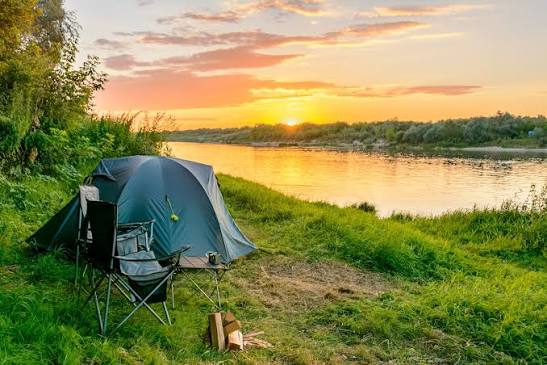
Fall camping is the best camping of the year, right up until you walk to the restroom and find a padlock on the door. After Labor Day, a lot of campgrounds stay open but quietly stop running the water, lock the flush restrooms, and pull the trash bins. The sites are quieter and the trees are turning. The bathroom just isn’t your campground’s problem anymore. It’s yours.
Here’s what actually changes in the off-season, and how to set up a camp bathroom that still works when it’s 38 degrees and dark at 7 p.m.
What Changes at Campgrounds After Labor Day
Public land doesn’t close in the fall. The services do. A Forest Service notice from Lake Tahoe spells it out: restrooms, buildings, and parking areas shut down for winter, while the national forest itself stays open. Water, restrooms, and trash pickup simply aren’t available.
It looks different everywhere. In the Black Hills National Forest, many off-season sites list vault toilets but no drinking water. Some Iowa state parks shut off water, close the modern restrooms, and stop trash service in mid-October, though a few keep vault toilets open. Concession-run campgrounds can close outright or stay open with nothing running.
So the honest answer to “will there be a bathroom?” is: maybe. Call the ranger district before you go. Then pack like the answer is no.
Why the Bathroom Is the First Thing to Plan for Fall Camping
In July, a locked restroom is an annoyance. In October, it’s a real problem, for three reasons.
The nights are long and cold. Sunset can come before dinner is done. Nobody wants to hike 200 feet into the dark woods with a trowel at 2 a.m. in a puffy jacket. That is exactly when people take shortcuts, and shortcuts are how you end up with waste next to a trail or a creek.
The ground fights back. Late-season soil can be wet and heavy, packed hard, or near frozen at elevation. Digging a proper cathole (6 to 8 inches deep, at least 200 feet from water, camp, and trails) takes longer than you’d think in those conditions.
Wildlife is busy. Fall is when bears are packing on calories before winter. Anything with an odor, from food scraps to used toilet paper, deserves more care, not less.
If you want the full rundown on cathole rules and when you’re required to pack out waste, our Leave No Trace bathroom guide covers it.
Fall Camping Essentials for Your Bathroom Kit
This is the short list. It fits in one tote, and it turns a closed restroom into a non-event.
- A portable toilet seat. Squatting is fine for a day hike. For a three-night trip with cold mornings, sit down. The GO Anywhere Portable Toilet weighs 7 pounds, folds to about the size of a briefcase, and holds up to 500 pounds on uneven ground.
- Waste bags with a gelling powder. Each Original WAG BAG kit has a waste bag pre-loaded with Poo Powder, which gels and deodorizes waste, plus a zip-close outer bag, toilet paper, and a hand wipe. When you’re done, seal it and toss it in the trash.
- A privacy shelter. Off-season campgrounds are emptier, not empty. A pop-up shelter also blocks wind, which matters more than you’d expect at 6 a.m. [INTERNAL LINK: GO Anywhere Privacy Shelter/PUP product page]
- A lidded bucket or hard-sided bin for used bags. Keep it closed, away from your tent, and away from your food storage.
- A headlamp that lives with the toilet. Not the one in your pocket. A dedicated one, hanging inside the shelter.
- Hand sanitizer and a gallon of wash water. If the spigots are off, you’re bringing your own water for everything, including handwashing.
- Extra toilet paper in a zip bag. Fall dew soaks everything left out overnight.
How to Set Up a Fall Camp Bathroom That Works at 2 a.m.
Setup takes about five minutes. Do it before dark, while you can still see the ground.
- Pick the spot first. Choose a flat patch downwind of camp, close enough to find in the dark but far enough for privacy. Aim for at least 200 feet from any water source.
- Pitch the shelter and set the toilet inside. Unfold the legs until they lock. Put the zip-close bag into the mesh liner, then set the waste bag in with the powder fully exposed.
- Stage the supplies. Toilet paper, sanitizer, and the headlamp go within arm’s reach of the seat.
- Set the used-bag bin nearby, with its lid on and food well away.
- Walk the route once with your headlamp off. If you can’t find it in the dark, move it closer.
After each use, fold the waste bag down into the zip-close bag, seal it, and drop it in the bin. No digging, and nothing left behind when you pull out on Sunday.
How Many Waste Bags to Pack
Each Original WAG BAG kit gels up to 32 ounces of waste and can handle more than one use. Still, the simple rule for a fall trip is one kit per person per day, plus a couple of spares. Cold weather keeps people in camp longer, and a storm day can easily mean an extra night.
For a family of four on a three-night trip, that’s 12 kits, which is exactly one 12-pack. Toss in two or three extras from a bigger box and you’re covered if the forecast changes. Pick up an extra pack and it doubles as your car or home emergency supply once camping season ends.
A Few Fall Camping Tips Most Checklists Skip
- Check the trash situation, not just the restroom. If the bins are pulled, every sealed bag rides home with you. Bring a sturdy trash bag or a second lidded bucket for the drive.
- Keep the toilet out of the wind tunnel. Valleys funnel cold air at night. A spot behind a boulder or a stand of trees is noticeably warmer.
- Warm the seat area, not the seat. A foam sit pad laid over the seat lid between uses keeps frost off. Small thing, big morale boost.
- Plan for shorter days. Set up camp, including the bathroom, by mid-afternoon. In late September and October, the light goes fast.
For a deeper look at choosing a toilet for different trip styles, see our portable toilet for camping buyer’s guide.
Frequent Asked Questions
Many are, but with fewer services. After Labor Day, campgrounds on public land often stay open while water, flush restrooms, and trash pickup shut down for the season. Some concession-run campgrounds close completely. Call the local ranger district or park office before your trip, and pack your own water and a bathroom setup just in case.
Bring your own. A portable toilet seat with sealed, gelling waste bags is the simplest option. You use the bag, seal it in its zip-close outer bag, and throw it in the trash once you leave. If you dig catholes instead, go 6 to 8 inches deep and at least 200 feet from water, camp, and trails.
Warm layers, a sleeping bag rated below the forecast low, a reliable headlamp, extra water if spigots are off, and a self-contained bathroom kit. The bathroom kit is the one most people forget, and it’s the one you miss most when restrooms are locked and nights are cold and long.
Plan on one kit per person per day, plus two or three spares. Each Original WAG BAG kit gels up to 32 ounces of waste and handles more than one use, but cold-weather trips often run long and storms can add an unplanned night.
Yes, when trash service is running. Sealed kits go in regular trash. In the off-season, though, many campgrounds remove their bins, so plan to carry sealed bags home in a lidded container and dispose of them in your household trash.
Get Your Fall Camping Bathroom Sorted Before You Go
Fall camping rewards people who plan for what the campground won’t provide. Water and a bathroom top that list. A folding toilet, a box of WAG Bags, and a privacy shelter take up less room than a cooler, and they turn a locked restroom into something you barely notice.
Put your kit together now, while the leaves are still on the trees. Start with the GO Anywhere Portable Toilet and a 12-pack of Original WAG BAGs, or get everything in one backpack with the GO Anywhere Total System.