 |
|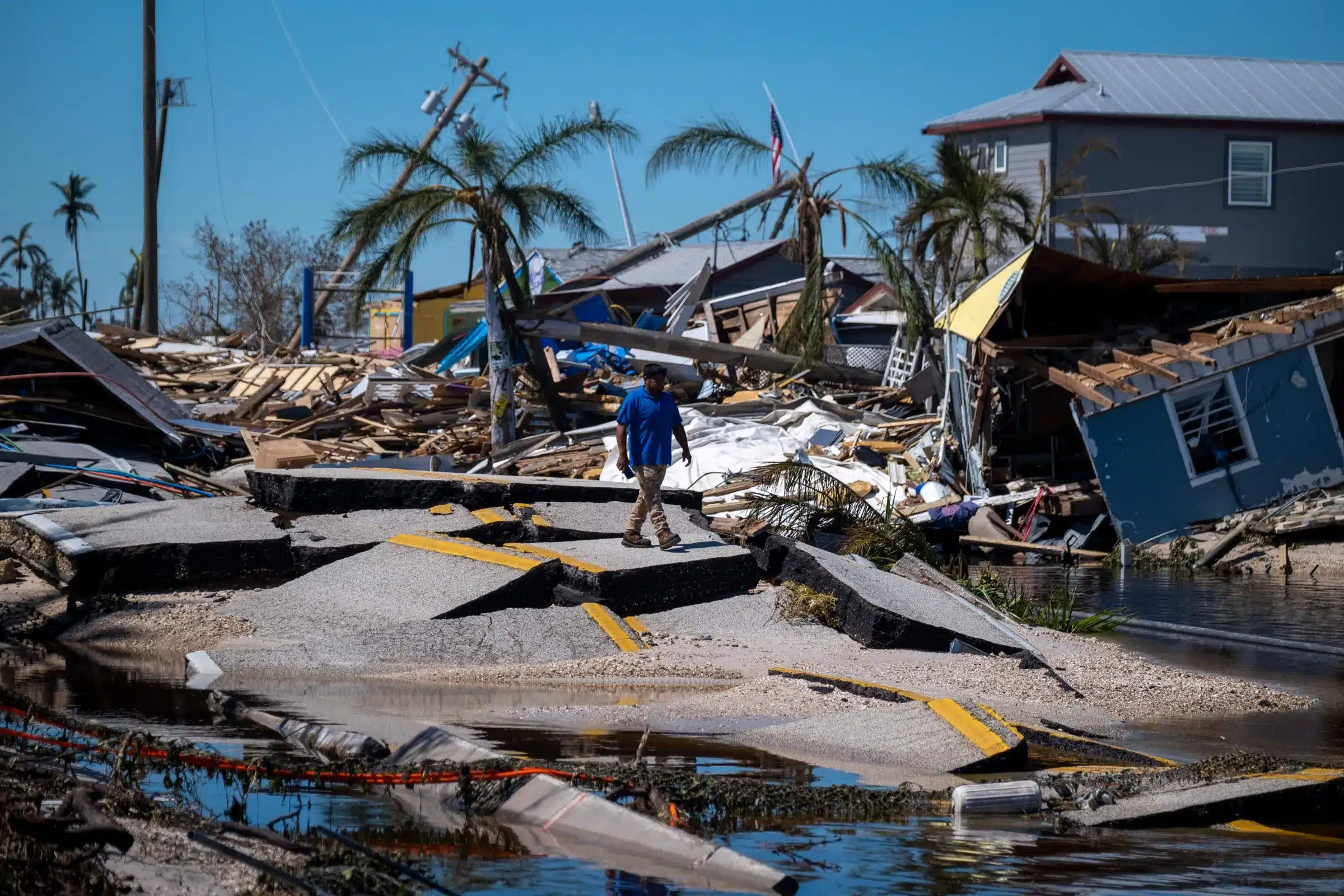
When Hurricane Helene knocked out power and water to millions of homes across the Southeast in 2024, one of the most urgent and least-discussed crises wasn’t water or food—it was sanitation. Within 24 hours of a major disaster, most households face a problem they didn’t prepare for: what to do when the toilet doesn’t flush.
It’s an uncomfortable conversation. It’s also one of the most important.
This guide covers why an emergency portable toilet is a non-negotiable part of any serious household preparedness kit, which disasters require one, and how Cleanwaste’s FEMA-accepted portable toilet systems give your family a clean, dignified, and hygienic solution when the plumbing fails.
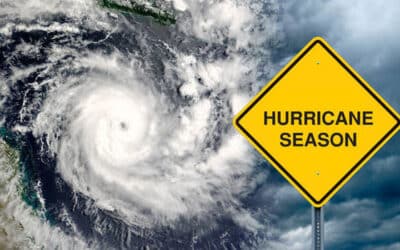
| 🚨 Hurricane Season runs June 1 – November 30 each year. FEMA and emergency management experts recommend building your disaster kit before the season starts — not after a storm warning is issued. Portable toilet supplies sell out fast when disaster threatens. |
When Your Home Toilet Fails: More Common Than You Think
Most people don’t think about what happens to sanitation when the power goes out or when the water supply is disrupted. The reality is that your home toilet’s functionality depends on systems that fail in nearly every major disaster scenario.
Natural Disasters: Hurricanes, Tornadoes, Earthquakes & Floods
Natural disasters are the most common and dramatic cause of home toilet failure. Here’s why:
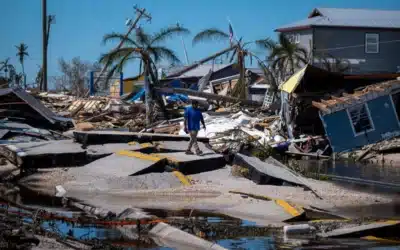
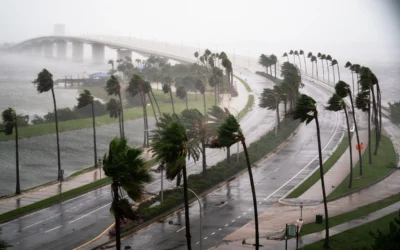
- Hurricanes: Storm surge and flooding can overwhelm and backflow sewer systems. Pressure loss in municipal water mains means no flushing. Post-storm infrastructure damage can leave communities without functioning plumbing for days to weeks.
- Earthquakes: Seismic activity can fracture underground sewer lines, making flushing dangerous or impossible. Using a damaged sewer line can introduce sewage into your home’s foundation.
- Tornadoes: Structural damage to homes can compromise plumbing systems. Widespread infrastructure damage can take out municipal water for large areas.
- Flooding: Floodwaters can contaminate well water, disable water treatment plants, and render indoor plumbing unusable.
Extended Power Outages
Municipal water systems depend on electric pumps to maintain water pressure. Extended blackouts—increasingly common with grid strain and extreme weather—can cut water pressure within hours to a day, leaving toilets unable to flush. Homes on private wells are even more vulnerable: no power means no pump means no water, period.
The U.S. Energy Information Administration reports that the average U.S. household experienced 8+ hours of power interruptions in recent years, with longer outages occurring in storm-prone regions.
Plumbing Failures & Sewer Backups
Even without a disaster, plumbing fails. Frozen pipes, burst mains, sewer backups, and septic failures can render a home’s toilet unusable for days. Having an emergency portable toilet on hand means you’re never caught completely off-guard.
| 🧐 Did You Know? Using a toilet when sewer lines are damaged can push raw sewage back into your home. Emergency management experts advise never flushing if you suspect sewer line damage after a natural disaster. |
Why an Emergency Portable Toilet Is a Critical Preparedness Investment
The CDC and FEMA both list emergency sanitation as a top priority in disaster preparedness planning. Poor sanitation in disaster scenarios leads to:
- Rapid spread of fecal-oral disease: cholera, typhoid, hepatitis A, norovirus, E. coli
- Contamination of drinking water supplies, particularly in flood zones
- Degraded physical and psychological health of disaster victims
- Increased risk for vulnerable populations: elderly, children, immunocompromised individuals
A quality emergency portable toilet solves all of this cleanly and inexpensively. For the cost of a few nights’ takeout, you can have a FEMA-accepted waste management system ready in your home.
Cleanwaste Emergency Portable Toilet Products: Built for When It Matters Most
Cleanwaste has supplied portable waste systems to FEMA disaster response teams, the U.S. military, Red Cross operations, and search-and-rescue units for decades. Their products are designed to be clean, reliable, and operable by anyone—including children and elderly family members—without training or special equipment.
GO Anywhere Portable Toilet® — Best for Home & Family Emergency Kits
The GO Anywhere Portable Toilet® is the anchor of a home emergency bathroom kit. Weighing just 7 pounds, it folds to briefcase size for storage but opens in seconds to full toilet height (supporting up to 500 lbs). Paired with GO Anywhere WAG Bag kits, it provides a complete, dignified, hygienic toilet experience for the whole family—no plumbing required.
- Weight: 7 lbs, folds to briefcase size for easy storage in a closet or go-bag
- Height: Full toilet height — comfortable for adults and children
- Weight capacity: 500 lbs
- Setup time: Under 60 seconds
- Works with: All Cleanwaste WAG Bag formats
Shop: GO Anywhere Portable Toilet®
Original WAG BAG® — FEMA-Accepted Waste Containment
Each Original WAG BAG® kit contains a NASA-developed gelling-agent inner bag, an outer containment bag, toilet paper, and a hand sanitizer wipe. FEMA recommends a minimum of one kit per person per day during an emergency.
- Gelling agent neutralizes waste odors and solidifies liquid waste instantly
- Safe for landfill disposal—no hazardous waste designation
- No water, electricity, or plumbing required
- Shelf life: 5+ years in proper storage conditions
Shop: Original WAG BAG®
GO Anywhere Total System — The Complete Emergency Bathroom Kit
The GO Anywhere Total System bundles the folding toilet with a supply of WAG bags—everything you need in one purchase. It’s the fastest way to build a complete emergency bathroom kit for your household, and it makes an excellent gift for elderly relatives or family members in hurricane-prone areas.
Shop: GO Anywhere Total System
How to Build a Complete Emergency Bathroom Kit
A functional emergency bathroom kit needs more than just a portable toilet. Here’s a comprehensive checklist for outfitting your household for up to 72 hours of sanitation independence—the FEMA-recommended minimum for self-sufficiency after a disaster.
| Item | Quantity / Notes |
| GO Anywhere Portable Toilet® | 1 per household |
| Original WAG BAG® kits | Minimum 3 per person per day (72 hr kit = 9 per person) |
| Heavy-duty opaque trash bags (13 gal) | 1 box — for secondary containment of used WAG bags |
| Antibacterial hand sanitizer | 1 large bottle (60%+ alcohol) |
| Disposable latex or nitrile gloves | 1 box (for handling used waste bags) |
| Extra toilet paper | 2–3 rolls per person minimum |
| Privacy shelter or pop-up tent | Optional but recommended (especially for multi-day outages) |
| Resealable odor-barrier zip bags | 1 box (added peace of mind for used WAG bag storage) |
| Waterless hand wash/wipes | 1 pack per person per day |
| Portable toilet deodorizer (optional) | Drops or spray for additional odor control in enclosed spaces |
How Many WAG Bags Do You Need for Your Emergency Kit?
This is the most common question—and the most important one to get right before a disaster. Here’s the formula:
| WAG Bags Needed = (Number of People) × (Bags Per Person Per Day) × (Days of Preparation) Recommended: 3 bags per person per day × 72 hours = 9 bags per person for a basic 72-hour kit. For 7-day preparedness (recommended for hurricane-prone households): 21 bags per person. |
Practical examples:
- Family of 4, 72-hour kit: 36 WAG bags minimum
- Family of 4, 7-day kit: 84 WAG bags
- Couple (2 people), 72-hour kit: 18 WAG bags
- Single person, 72-hour kit: 9 WAG bags
Cleanwaste sells WAG bags in multi-packs specifically designed for emergency preparedness. Stock up before hurricane season, not after a storm warning is issued—supplies sell out rapidly in the days before a major storm.
Seasonal Emergency Prep: Planning Around Hurricane Season
When Hurricane Season Peaks
Atlantic hurricane season runs June 1 through November 30, with peak activity between mid-August and mid-October. The National Hurricane Center (NHC) tracks tropical systems from formation to landfall—but the preparation window is far shorter than most people realize.
Here’s a realistic timeline for emergency prep versus storm arrival:
- 72 hours before landfall: A storm watch is issued. General guidance to begin preparations.
- 48 hours before landfall: A storm warning is issued. Evacuation orders may begin for coastal zones.
- 24–36 hours before: Most stores run out of water, batteries, flashlights, and emergency supplies.
- 12–24 hours before: Last chance to secure property; evacuation routes may become congested.
Notice what’s missing from that timeline? Portable toilet supplies.” By the time a storm warning is issued, portable toilet kits and WAG bags are often completely sold out at retailers—both locally and online.
The solution is simple: stock up in May or early June, before hurricane season begins. It’s the same logic as filling your car before the needle hits empty—you want the preparation done long before you need it.
Who Needs an Emergency Portable Toilet Most?
- Residents in FEMA flood zones A, AE, and V (high-risk coastal and riverine flooding)
- Households in states with frequent hurricane or tropical storm activity: FL, TX, LA, NC, SC, GA, AL, MS, VA
- Homes on private wells (power outage = no water = no flushing)
- Rural households far from municipal services with longer restoration timelines
- Households with elderly residents, young children, or individuals with mobility limitations
- Anyone with a sump pump, basement, or septic system (all vulnerable to disaster failure)
Wildfire & Earthquake Preparedness
Earthquake and wildfire emergencies can equally compromise sanitation infrastructure. In earthquake-prone states (CA, WA, OR, AK, UT), sewer line fracture is a documented post-earthquake risk. In wildfire evacuations, emergency shelters are often overwhelmed and restroom access is limited. A portable toilet in your go-bag or evacuation kit is a simple but meaningful upgrade to your preparedness plan.
Storage Tips for Emergency Bathroom Supplies
Proper storage ensures your supplies are effective and accessible when you need them most:
- Store in a cool, dry location. Heat and moisture can degrade packaging. A closet shelf, under a bed storage bin, or garage cabinet works well.
- Keep supplies accessible. Store your emergency toilet kit near your other emergency supplies—or in a designated go-bag if you evacuate frequently.
- Rotate your stock annually. Check expiration dates on WAG bags and sanitizer wipes. Replace before each hurricane season (May).
- Label clearly. Mark your emergency bathroom box clearly so all family members know what it contains and where to find it.
- Consider a privacy shelter. A lightweight pop-up privacy tent stowed with your emergency kit gives family members dignity and comfort during extended outages.
Talking to Your Family About Emergency Bathroom Preparedness
This is the topic most families skip—but preparation only works if everyone in the household knows the plan. Here’s how to prepare your family:
- Set up a practice run. Unbox the GO Anywhere Portable Toilet® and show everyone how to open it, insert a WAG bag, and seal it after use. It takes 5 minutes and eliminates confusion during a stressful event.
- Establish a ‘bathroom spot.’ During an extended outage, identify where the portable toilet will be set up. A garage, bathroom (still useful for privacy), or bedroom corner with a privacy shelter works well.
- Explain WAG bag disposal. Sealed WAG bags should go in a heavy-duty trash bag and, once conditions allow, in a standard outdoor trash receptacle. Do not flush, burn, or bury WAG bags.
- Brief children age-appropriately. Kids adapt quickly when given simple, clear instructions. Show them how the portable toilet works before they need it.
- Plan for elderly or mobility-limited family members. The full-height GO Anywhere Portable Toilet® is designed to be accessible. Consider a grab bar or stable surface nearby for those who need additional support.
| 🧑👧 Family Preparedness Tip: FEMA recommends practicing your emergency plan at least once a year. Include a “bathroom walkthrough” in your annual drill so no one is caught off-guard. |
Emergency Portable Toilets Beyond the Home
Emergency sanitation isn’t just a home problem. Consider these scenarios where a Cleanwaste portable toilet system can be a lifesaver:
- Emergency shelters and community centers: Overwhelmed restroom facilities at shelters are a documented public health risk after major disasters. Portable toilet kits give individuals agency and reduce disease transmission.
- Vehicles and evacuation kits: Stuck in evacuation traffic for 6+ hours? A Toilet in a Bag® in your glove compartment is invaluable—especially for families with young children or elderly passengers.
- RVs and motorhomes during extended parking: Many RV parks lose water hookups after major storms. A portable toilet system keeps you self-sufficient while waiting for services to restore.
- Boats and watercraft: Marine environments require leak-proof, compliant waste solutions. Cleanwaste products meet U.S. Coast Guard standards for waste containment on small vessels.
- Workplace and office buildings: Businesses with on-site facilities can prepare for plumbing emergencies by keeping a portable toilet system in their emergency supplies cabinet.
Don’t Wait for the Storm Warning to Prepare
The question isn’t whether a major power outage, storm, or disaster will affect your home—it’s when. And when it does, sanitation is one of the first things to fail and one of the last things most families prepared for.
An emergency portable toilet from Cleanwaste is a small, inexpensive addition to your household preparedness kit that delivers an enormous peace-of-mind return. Keep the GO Anywhere Portable Toilet® and a season’s supply of WAG bags on your shelf before June 1, and your family will be ready for whatever the season brings.
Build your emergency bathroom kit today: cleanwaste.com
GO Anywhere Portable Toilet®: View Product
Original WAG BAG®: View Product
GO Anywhere Total System: View Product
| More reading: See our guides on the best portable toilet for camping 2026 and WAG bags for hiking on the Cleanwaste blog. |
Frequently Asked Questions: Emergency Portable Toilets
Yes. Cleanwaste WAG bags are FEMA-accepted and used by FEMA disaster response operations, the U.S. military, and Red Cross emergency teams. They meet federal standards for emergency sanitation waste containment.
Cleanwaste WAG bags have a shelf life of 5+ years when stored in a cool, dry location away from direct sunlight. The gelling powder is stable at room temperature and does not require refrigeration.
Yes. The GO Anywhere Portable Toilet® and WAG bag system is designed for indoor use. The gelling agent in WAG bags controls odors effectively enough for indoor environments. Place the toilet in a bathroom, garage, or any private area and use a privacy shelter or curtain if needed.
Seal each used WAG bag inside the outer bag, then store it in an opaque heavy-duty trash bag. During the emergency, store the trash bag in a secure area (garage, outdoors away from the home). Once the disaster has passed and trash services have resumed, dispose of the bag in a standard waste receptacle. WAG bags are landfill-safe.
Yes. The full-height design matches standard toilet height, making it accessible and comfortable for elderly users and those with mobility limitations. The 500-lb weight capacity provides stability. For users who need additional support, place the toilet against a wall or near a stable grab surface.
The Cleanwaste system requires no water at all. WAG bags use a dry gelling powder instead of water for waste management. The portable toilet frame provides support; the WAG bag handles containment, odor control, and safe disposal—completely waterless.
A five-gallon bucket with a toilet seat lid is a lower-cost DIY alternative, but it requires you to source appropriate liner bags separately and offers no built-in odor control unless you pair it with a WAG bag liner. The GO Anywhere Portable Toilet® provides superior comfort, stability, and a height-appropriate toilet experience, and is purpose-designed to work with Cleanwaste’s NASA-developed waste management bags.