 |
|
A portable toilet for hunting is a sealed, gelling waste bag — used on the ground, over a bucket, or on a folding seat — that lets you carry human waste out instead of burying it. For hunters that solves two problems at once. It keeps you legal in units where digging a cathole isn’t allowed, and it pulls a concentrated scent source out of the country you’re hunting. Archery elk opens September 2 in Colorado and September 5 in Montana. Worth sorting before you load the truck.
Hunting Camps Concentrate Waste in a Way Backpacking Never Does
A backpacker moves. One night in a spot, gone by nine the next morning, one cathole dug well off the trail and never returned to. Hunting works the opposite way. You find a drainage, you set camp, and you sleep there for five, seven, sometimes ten days — and you hunt the same basin every one of those mornings.
Run the numbers on four hunters in a wall tent over a week. That’s dozens of catholes inside a small radius, most of them dug by tired guys in the dark who are not pacing off 200 feet. A lot of good elk country sits on thin, rocky soil that breaks down almost nothing quickly. Leave No Trace points out that pathogens in a buried cathole can take up to two years to decompose. Now add every camp that used that same flat bench before you got there.
The result is the thing every hunter has walked into at least once: a good camp spot with toilet paper blooming under the deadfall. Nobody planned that. It’s just what happens when a dozen parties treat a hunting camp like a one-night backpacking site.
Where Digging a Cathole Is Not an Option
The general standard is well established. Leave No Trace and the National Park Service both call for a cathole 6 to 8 inches deep, at least 200 feet from water, camp, and trails. Federal regulation goes further on Forest Service ground — 36 CFR 261.11 prohibits leaving sewage on National Forest land at all.
The problem is that a lot of hunting happens in country where that standard is difficult, pointless, or specifically prohibited:
- Alpine basins above treeline. Thin soil over rock, and decomposition that nearly stops. Some districts issue orders requiring solid human waste to be packed out entirely.
- Desert and canyon units. Sandy soil, no microbial activity to speak of, and heavy concentrated use in a few accessible drainages.
- Late season and frozen ground. You are not getting eight inches down with a plastic trowel in November. Most people give up at three and tell themselves it counts.
- Talus, scree, and hard benches. There is nothing to dig into. Rolling a rock over it is not a cathole.
- Boats and blinds. Waterfowl hunting out of a layout boat or a marsh blind has no legal cathole option whatsoever.
Pull the specific regulations for your unit before you leave. Orders are issued at the district level and they change from year to year, so what was legal in that basin two seasons ago may not be legal this fall.
[INTERNAL LINK: link to the Outdoor Activities collection page]
The Scent Problem Nobody Packs For
Here is the part that gets skipped. Hunters spend real money on scent control. Ozone bags, scent-free detergent, carbon base layers, rubber boots, a wind app checked every twenty minutes. Then they walk sixty yards behind the tent and bury the single most concentrated human scent source in camp, in the exact basin they intend to hunt for the next week.
Elk and deer live by their noses, and a cathole is not a sealed system. It off-gasses, and the ground holds it. Whether that is the reason a bull hangs up at eighty yards on day four is impossible to prove on any given morning, and anyone who tells you otherwise is guessing.
But it is a variable you can delete for a couple of dollars. Hunters routinely spend a lot more than that to delete smaller ones. A sealed bag ends the argument: use it, zip the disposal bag closed, and the scent leaves camp in the bed of the truck.
Choosing a Portable Toilet for Hunting: Three Setups That Cover Almost Every Trip
Spike camp and backcountry
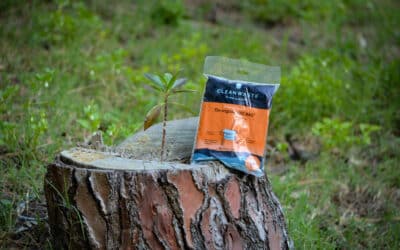
Bags only. Nothing else earns its weight. A few Original WAG Bag kits pack down to nothing and each one gels up to 32 ounces, which means a single kit handles multiple uses before you seal it. Each kit already includes the gelling powder, toilet paper, a hand wipe, and a puncture-resistant zip-close bag to carry it out in, so there is nothing else to assemble.
Use it on the ground, or find a downed log and use the bag over the gap. Seal it, stow it in an outside pocket away from your food, and pack it out with the rest of your trash.
Truck camp, wall tent, and base camp
This is where a seat is worth it, especially with a group and a long season. A bucket commode or a folding portable toilet gives you a stable full-height seat that holds up to real use, and the bag drops straight in. Set it behind a pop-up privacy shelter at the edge of camp and the bathroom question stops coming up for the rest of the week.
The advantage over a dug latrine is that nothing stays behind. When you break camp, the bags go into the trash on the drive out and the spot is exactly as you found it.
Day hunts, treestands, and blinds
One kit in the pack, permanently. It weighs almost nothing and it turns a bad morning into a non-event — particularly in a treestand, where the alternative is climbing down and contaminating the ground you are hunting over.
How Many Kits to Bring
A practical rule: one kit per hunter for every two days, plus two spares for the group. Because each kit gels up to 32 ounces and is built for multiple uses, that math holds up better than it looks on paper.
For two hunters on a seven-day archery hunt, that lands around eight to ten kits. For a four-man wall tent camp over ten days, plan on twenty-two to twenty-five. Round up rather than down. Unused kits do not go bad on any timeline that matters and they cost less than almost anything else in the truck.
When a Cathole Is Still Perfectly Fine
This is not an argument that burying waste is always wrong. In deep, biologically active soil, well away from water, in low-traffic country you are passing through rather than living in, a properly dug cathole is still the accepted method and it works.
The case for packing out gets strong in four specific situations: when the unit or district requires it, when the ground physically will not take a cathole, when a group is camping in one place for days, and when you are hunting the exact terrain your camp sits in. Most Western hunts hit at least two of those. That’s the honest reason to carry a portable toilet for hunting — not because burying is banned everywhere, but because hunting camps tend to be the worst-case version of the problem.
Frequently Asked Questions
You need one any time your unit requires waste to be packed out, the ground is frozen or too rocky to dig, or you are camping in one spot for several days. For short day hunts on deep soil, a properly dug cathole 6 to 8 inches deep and 200 feet from water still meets the standard.
Usually yes, but not always. Leave No Trace and the National Park Service call for a cathole 6 to 8 inches deep and at least 200 feet from water, camp, and trails. Some alpine and desert districts issue orders requiring solid waste to be packed out. Check the current regulations for your specific unit before the season.
They remove a scent source rather than mask one. A cathole off-gasses and the surrounding soil holds odor for a long time, in the same basin you are hunting. A sealed WAG Bag contains the waste and leaves camp with you, so nothing is left behind in the terrain you plan to hunt again tomorrow.
Seal the used bag with the zip closure on the puncture-resistant disposal bag and put it in any regular trash receptacle — a trailhead can, a gas station on the drive home, or your own bin. No dump station or special facility is required. Never bury it or burn it in a campfire.
Plan on one kit per hunter for every two days, plus a couple of spares. That works out to roughly eight to ten kits for two hunters over seven days. Each kit gels up to 32 ounces and handles multiple uses, so most hunters use fewer than they pack.
Get Camp Sorted Before Opening Morning
Season is short and the list is long, and the bathroom plan is the thing that gets left until you are already at 9,000 feet finding out the ground is solid rock. Packing a portable toilet for hunting takes about two minutes to sort out at home.
Throw a box of Original WAG Bag kits in with the tent, and add a bucket commode or a GO Anywhere folding toilet if you are running a base camp. Made in the USA, and carried under military NSN listings for the same reason hunters like them: they work in the field, and nothing gets left behind.