 |
|
Human waste is one of the most overlooked yet destructive forms of environmental pollution. When improperly disposed of, it contaminates water sources, disrupts fragile soil ecosystems, and spreads harmful bacteria to wildlife and vegetation. As outdoor activity, eco-tourism, and off-grid living continue to grow worldwide, responsible waste management has become a critical environmental issue.
Modern portable toilets combined with human waste bags provide one of the safest and most environmentally responsible sanitation solutions available today.
The Environmental Damage Caused by Improper Human Waste Disposal
When human waste is buried or left exposed, rainwater and runoff transport harmful bacteria, nitrates, and pathogens into rivers, lakes, and underground aquifers. This contamination threatens drinking water supplies, aquatic life, and downstream ecosystems.
In high-traffic outdoor areas such as national parks, beaches, and wilderness trails, even small amounts of unmanaged waste can create long-term ecological damage. Wildlife is often attracted to waste sites, spreading bacteria across large territories and disrupting natural behavior.
How Portable Toilets Prevent Soil and Water Contamination
Portable toilets using sealed human waste bags prevent all direct contact between waste and the natural environment. Waste is fully contained from the moment of use to final landfill disposal. No burial, burning, or chemical dumping is required.
Because the liquid is immediately solidified inside the bag, there is no leaching into soil and no leakage into surface water. This containment principle is the foundation of Leave No Trace sanitation standards used across protected natural areas.
The Eco-Friendly Design of Cleanwaste Human Waste Bags
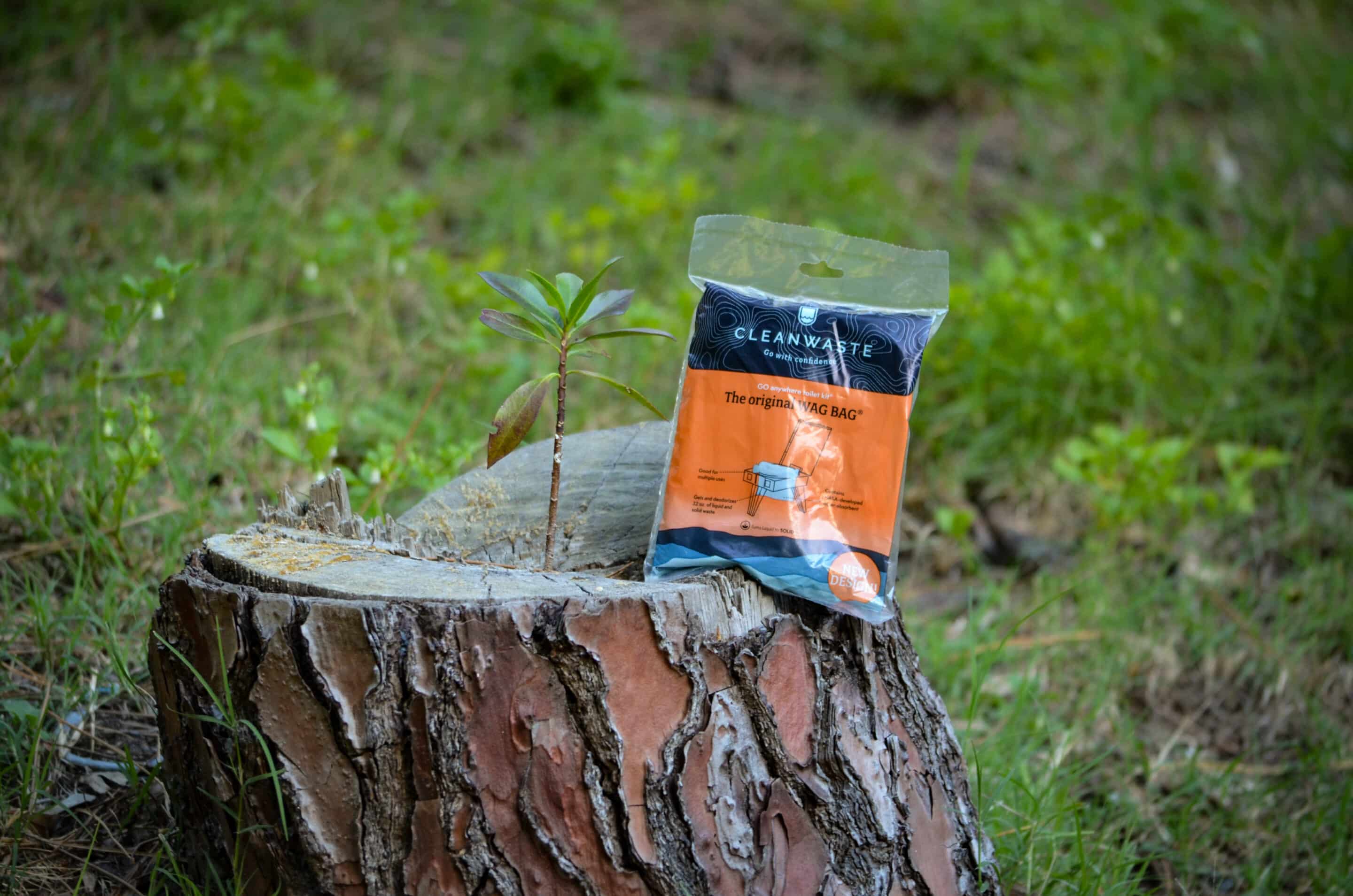
Cleanwaste human waste bags are engineered to minimize environmental impact while maintaining medical-grade containment. Many models use biodegradable liners and chemical-free gel agents, allowing waste to decompose naturally within landfill environments without releasing toxins.
Unlike traditional chemical toilets that rely on harsh disinfectants and dumping stations, bag-based systems eliminate chemical runoff entirely. This significantly reduces the long-term environmental footprint of portable sanitation.
Leave No Trace Compliance and Conservation Use
Leave No Trace principles require that all human waste be packed out in sensitive environments. Parks, conservation agencies, and eco-tourism operators increasingly mandate the use of portable toilet systems with certified waste bags.
Cleanwaste systems are used by park rangers, scientific field researchers, wildlife monitoring teams, and outdoor education programs to ensure compliance with environmental protection guidelines while supporting extended remote operations.
The Role of Portable Toilets in Sustainable Tourism and Outdoor Recreation
As sustainable tourism becomes a global priority, responsible sanitation is now considered a core infrastructure requirement. Portable toilets allow eco-lodges, remote camps, guided expeditions, and temporary research stations to operate without damaging local ecosystems.
These systems enable human presence in fragile environments without introducing permanent plumbing, septic systems, or waste discharge points.
Yes. When used with sealed human waste bags and proper disposal, portable toilets prevent soil and water contamination.
Many Cleanwaste bags use biodegradable liners that safely decompose under landfill conditions.
In many national parks and conservation zones, pack-out portable toilet systems are required to comply with environmental regulations.